
This is our Plant To‑Do List, organized alphabetically with the best month(s) to act. It reflects 47+ years of Garden View experience in the San Gabriel Valley and is the playbook our Garden View Landscape Maintenance crews use to keep properties a step above. Always consider your micro‑climate, soil, and current weather.
Abutilon (April)

Tip‑prune young plants to encourage branching and a fuller shape. If plants become tall or leggy, cut back to a leaf joint to stimulate new shoots. A hard cutback in spring is fine to control size. Heavy feeder—keep up with fertilizer for maximum bloom.
Acacias — general pruning (November)
Thin top‑heavy shrubs and open up small trees. Most acacias are fast‑growing, low‑water plants with late‑winter to early‑spring bloom. Many are short‑lived and can be brittle; avoid over‑watering and prune properly to extend life.
Acacia redolens (November)

Excellent dry hillside groundcover. Space plants at least 4 ft apart and keep clear of swales. Dwarf forms need less trimming. Garden View crews often plant A. redolens on the upper slope and rosemary ‘Prostratus’ downslope for contrast and better water tolerance below.
Acacia baileyana (November)

Known for abundant bloom and ferny foliage. With selective structural pruning as it matures, it develops a striking, sculptural form.
Achillea (Yarrow) (February)

Groom and clean only; avoid severe pruning.
Agapanthus (Lily of the Nile) (September)

Reliable, water‑wise strap‑leaf plant with late‑spring to early‑summer bloom. Full sun and extreme heat can scorch leaves—leave scorched foliage in place until heat passes as it protects the leaves beneath. Remove dead leaves at the base as usual.

Succulents (in ground) (November)

When rains begin, stop supplemental irrigation. Protect tender varieties from frost as needed.
Angel’s Trumpet (Brugmansia) (October)

Train a central leader if you prefer a small tree form. Main pruning is in fall. Keep at least 6–10 nodes above the “Y” on branches for next year’s flowers. Routine pruning is optional unless the plant obstructs paths or views.
Kangaroo Paw (Anigozanthos) (March–April)

After you’ve deadheaded about half the flowers on a stalk, cut the stalk to the ground to prolong flowering.
Annuals — planting window (February)

Still time to plant cool‑season annuals from flats or 4″ pots. Good choices: calendula, cineraria, delphinium, dianthus, English daisy, Iceland poppy, lobelia, stock, sweet alyssum; near the coast add primrose, pansy, and viola.
Annual color — fertilizing (November)

Best time to fertilize is at planting. Place fertilizer in the hole next to roots—phosphorus and potassium don’t travel far in soil. Read our fertilizer guide.
Winter annuals for spring color (October)
Plant now for holiday through spring bloom. Options include calendula, pansy, Iceland poppy, primrose, bedding begonia, candytuft, delphinium, dianthus, foxglove, lobelia, penstemon, phlox, snapdragon, stock, viola; near the coast add calceolaria, cineraria, nemesia, schizanthus.
Artemisia ‘Powis Castle’ (February)

Prune now to refresh and keep compact.
Australian Brush Cherry (Syzygium / Eugenia) (June)

Popular hedge/tree that may get psyllids. Selective pruning improves appearance; damaged leaves remain scarred. Natural predators help—use chemical controls only where aesthetics demand and natural control is insufficient.
Avocado — general care (September)
Regular leaf drop is normal, especially in heat. Maintain a thick mulch/leaf litter to keep roots cool.
Avocado — feeding (June)
Second semi‑annual feeding. A mature tree needs ~2.5 lbs of actual nitrogen per year; if using 20‑6‑8, that’s ~12.5 lbs spread at the dripline. Adjust rates for tree size and product analysis.
Azaleas & Camellias — plant/transplant (January–February)

Peak time to plant or move. Rejuvenate struggling azaleas by replanting into a mix of ~60% peat, 20% compost, 20% native soil. Camellias can be touchy to transplant—expect mixed success and handle with care.
Azaleas — pruning (May, immediately after bloom)

Prune right after flowering to avoid removing next year’s buds. Start with dead/diseased wood and tall, gangly shoots. Inside‑out thinning opens the plant to light and encourages interior growth. Avoid over‑fertilizing; yellowing in winter can be normal leaf turnover. Azaleas have shallow roots—avoid cultivating under canopies and ensure soil drains well to prevent diseases like Fusarium wilt.
Azaleas — summer care (July)
Keep evenly irrigated—shallow roots dry quickly. Reduce competition from other plants around the root zone.
Bamboo — runners (February)

Install plastic root/bamboo barriers, keeping the top edge ~1″ above grade. In January, cut any runners trying to grow over the barrier—and check annually.
Bamboo — splitting (February)
Dig and split many varieties now. Use barriers for running types.
Banana (April–May)
Maintain one main stem; after 6–8 months, keep one sucker to replace it next season. After harvest, cut the main stem to ~2.5′, then remove the rest in a few weeks. Needs lots of water (moist, not soggy) and regular monthly feeding with a balanced fertilizer. Avoid salt; prefers acidic, rich, well‑drained soil.
Berries (cane types) (November)

Prune cane berries now (except low‑chill raspberries). Give one last deep watering to grapevines and deciduous trees; discontinue feeding to harden off for cold.
Bird of Paradise (Red) — Caesalpinia (April)

Prune red/mexican/yellow bird of paradise in late winter to early spring; prune the latter two more lightly, if at all.
Bird of Paradise — Strelitzia reginae (October)

Remove stems after flowers fade. Divide clumps carefully if you want more plants.
Bougainvillea (February)

After frost danger passes late in the month, a hard prune can look drastic but pays off with prolonged bloom.
Bougainvillea ‘Raspberry Ice’ (June)

Compact, shrub‑forming variety—keep pruning minimal to preserve bloom. If plants aren’t blooming and you didn’t prune off the flowers, you’re likely over‑watering; reduce irrigation for better flowering.
Brunfelsia (Yesterday‑Today‑Tomorrow) (March)

Abundant spring bloom; flowers shift color over three days. Trim in early spring and lightly thereafter to keep compact. Responds well to regular feeding.
California live oak — do not prune (November)
Delay pruning until summer. Early spring pruning/fertilizing can worsen tip mildew/“witches’ broom.”
California native plants — summer irrigation (July)

Most natives prefer wet winters and dry summers. In clay soils, frequent summer irrigation can cause root problems—water sparingly.
Bulbs — calla lily & more (February)

Start tuberous begonias; also plant caladium, calla, canna, crocosmia, dahlia, gloxinia, tigridia (and it’s not too late for gladiolus). Plan for post‑bloom gaps and have follow‑up plants ready.
Camellias — pruning (February–March)

Best time is right after bloom; late heavy pruning reduces flowering. Inside‑out thinning (selective, not shearing) opens the canopy to light and encourages interior growth.
Carrotwood trees (December)

If nuisance seeding is a problem, apply a fruit‑reduction spray (ethephon) before flowering ends to reduce seed set.
Night‑Blooming Jessamine (Cestrum nocturnum) (November)

Fast‑growing, arching shrub that responds to frequent trimming and a severe fall cutback. Intensely fragrant at night—some find it overpowering near windows or patios.
Chondropetalum elephantinum (Cape Rush)

Water regularly the first season to establish deep roots. For a neat clump, remove old foliage before new leaves emerge. Divide every 2–3 years in early spring.
Chrysanthemum — summer care (July)

Final pinch this month; continue regular feeding and generous watering.
Chrysanthemum — post‑bloom cutback (November)

Cut plants to 6–8″ after bloom. Divide crowded clumps; discard old, woody centers and replant the vigorous pieces.
Citrus — feeding schedule (June; also Jan, Mar, Apr)
Mature trees need ~1.6 lbs of actual nitrogen per year, split into four feedings (January, early March, late April, early June) applied around the dripline. Example: with a 20‑6‑8 fertilizer (20% N), each feeding of 0.4 lbs N requires ~2 lbs of product.
Coleonema (Breath of Heaven) (July)

Trim after the main spring–early summer bloom to keep compact and improve future flowering.
Coleus (May)
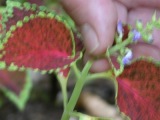
Often grown as an annual in shade. Remove flower spikes in bud to preserve form and encourage dense leafy growth.
Coral trees (Erythrina) — thinning (July)
Thin canopies before fall winds, especially those growing in lawns or with ample water (faster growth = softer wood).
Crabgrass — lawn pre‑emergent (February)

Last chance for a pre‑emergent herbicide. Persistent crabgrass often signals over‑watering—allow the top 1/4″ of soil to dry between irrigations. Daily lawn watering is wasteful and counter‑productive.
Crape myrtle (Lagerstroemia) (September)

Low‑water, long‑flowering trees. Remove trunk suckers promptly. Powdery mildew can be worse in regularly watered lawns.
Cuphea (April)

If winter cold defoliated plants, feed with a nitrogen‑forward fertilizer; they recover quickly.
Cyclamen & other gift plants (December)

Prefer bright, cool conditions indoors; keep soil slightly moist and ensure pots can drain (remove or puncture decorative foil). Holiday poinsettias are greenhouse‑grown and tender; outdoor exposure can damage bracts—protect from cold, rain, and over/under‑watering.
Daylilies (deciduous types) (October)

Cut foliage to ~4″, fertilize, and protect from snails.
Dietes iridioides (May)
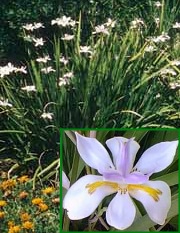
Remove spent blooms individually. Don’t cut flowering stems; they persist more than a year. Cut stems back to a lower leaf joint only after they clearly stop blooming. Avoid hedge trimmers; remove dead leaves at the base by hand. Divide best in fall/winter (can be any time).

Euryops (May)
Blooms nearly year‑round. Prune several times a year to prevent lanky growth; flowers rebound quickly.
Ficus nitida/retusa — hedges/trees (April & June)
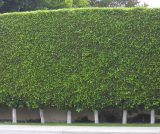
Favorite dense hedge in SoCal. Needs regular pruning (Garden View crews trim 4–5×/year). Consider root guards where infrastructure is at risk. Thrips can curl leaves; aesthetics aside, plant vigor is usually fine. Treat only if necessary.

Fuchsia (February)

Cut back to refresh growth and shape.
Geranium sanguineum (September)

Cut back hard now to increase bloom and maintain a compact habit through winter.
Grapes (June)
Thin clusters (remove ~½) to channel energy into larger remaining grapes.
Ground covers (July)

Trim species like vinca major after bloom to keep neat and contained.
Hibiscus (September)

Stop pruning so wood hardens for winter; blooms will be better next spring. Over‑fertilized/over‑watered plants are more susceptible to whitefly—dial both back.
Honeysuckle (Lonicera sempervirens) (September)

Blooms late spring through summer; prune heavily in early spring and again after flowering ends.
Hydrangea (bigleaf types) (July; avoid pruning in Nov/Apr)

Set flower buds late summer–early fall. Prune right after flowers fade; spring or late‑fall pruning removes next season’s blooms. In February, remove spent heads by taking off only the upper third. Keep some old wood for continued flowering. For blue/lavender tones on suitable varieties, start soil aluminum sulfate applications in fall (whites won’t change).

Impatiens (October)

Trim to 3–4″ while weather is still warm to encourage denser, more cold‑tolerant regrowth through winter.
Iris (bearded) — divide (July)

Lift and divide 3–4‑year clumps. Replant healthy rhizomes just below the surface, orienting leaf fans toward desired growth direction. Trim leaves to balance root loss.
Ivy geranium (October)

Responds well to a tidy trim now. Feed with a balanced fertilizer.
Jerusalem sage (Phlomis fruticosa) (November)

Cut back about half in fall to keep compact. Light trims after waves of bloom encourage repeat color.
Lantana (April–May)

Hard prune to 6–12″ above ground to reset size and form. You may lose some bloom now, but plants flower through summer and stay more compact.
Lavender (Lavandula) (September)

Shear 1/3–1/2 of the plant immediately after bloom to maintain a neat dome. Remove oldest woody branches gradually as new growth emerges. Needs excellent drainage and little to no fertilizer; gravel mulch is ideal. Avoid compost against the crown.
New Zealand tea tree/shrubs (Leptospermum) (September)

Don’t prune in fall—spring blooms are formed on growth you’d remove. Easy‑care, low‑water plants; ensure drainage, especially in clay.
Liriope (April)

Clean out dead leaves now; fresh growth will fill in quickly.
Magnolia stellata & other early spring bloomers (May, after bloom)

Prune selectively right after flowering. Avoid shearing or topping; remove crossing branches and shape lightly.
Natives — seasonal pruning (December)

Cut California fuchsia, coast sunflower, matilija poppy, and needle grass nearly to the ground. Lightly reduce Cleveland sage, coyote mint, and island bush snapdragon (~1/3).
Natives — winter watering (December)
Many natives are in active growth; if winter is dry, water to support establishment and flowering.
Oleander (February)

Flower on new growth; a hard late‑winter cut keeps shrubs in bounds for most of the year. Note: pruning removes current flowers, so plan timing accordingly.
Palo verde, mesquite (Cercidium/Prosopis) (May)

Limit pruning now; heavy cuts that force soft new growth should wait until later summer when heat stress is lower.
Pelargonium (zonal geraniums) (July)

Remove spent flowers regularly to keep blooms coming.
Pennisetum setaceum ‘Rubrum’ (purple fountain grass) (November)

When foliage browns, cut clump down to ~4″. Skipping this leaves an unattractive plant all winter and an oversized clump next season.
Photinia

After spring flush fades and red new growth matures, prune to keep shrubs compact. Light, regular shaping is best.
Pines & other conifers (November–February)

Prune/shape in the cool season. Inner needle browning/yellowing and shed of oldest needles is typical; use fallen needles as mulch around acid‑lovers or to surface informal paths.
Pittosporum tobira (February; avoid pruning in May)

Responds well to inside‑out thinning in late winter to let in light. In spring bloom, avoid pruning—flowers are modest but wonderfully fragrant. Several forms, including variegates, are dependable and low‑maintenance.
Plumbago (Plumbago auriculata) (January–February)

Hard prune in mid‑winter to keep shrubs compact and floriferous.
Podocarpus & other evergreens — light grooming (December)
Shape lightly in winter: cedar, cotoneaster, fir, juniper, magnolia, pine, pittosporum, podocarpus, pyracantha, viburnum.
Rhaphiolepis (Do not prune before spring bloom; light prune after)

Low‑water, disease/pest‑resistant, and generally compact. Skip pruning until after the spring display; then do minimal shaping and some inside‑out thinning to keep its natural form.

Rose of Sharon (Hibiscus syriacus) (April)

Train as multi‑stem, single‑trunk, or even espalier. Winter/early‑spring pruning of last season’s growth encourages larger blooms and maintains desired shape.
Salvias — general trim (February)

If not yet trimmed, do so now to refresh growth and control size.
Salvia leucantha
Abundant long‑season bloom. Prune sparingly to limit size and renew flower stems. Reduce water (often fine every two weeks). Remove faded blooms promptly. Cut back to ~1′ after bloom or in early spring; for compactness, cut to ~2′ again in summer.
Santa Barbara daisy (Erigeron karvinskianus) (October)

Cut back and fertilize after bloom; Garden View crews often do this twice per year. Great low, creeping, water‑wise groundcover.
Star jasmine (Trachelospermum) (May — avoid pruning)

At peak bloom now—prune only if absolutely necessary. Extremely versatile: train as a groundcover, shrub, or vine.
Succulents (potted) (September)

Apply a dilute liquid fertilizer.
Roses (September)
Cool fall weather often brings the richest color and fragrance. Keep deadheading and watering; hold fertilizer until spring.
Sycamore & many fruit trees — heat response (September)
Excessive heat can trigger leaf/fruit drop as a self‑protection strategy; fewer fruits usually size up better. Extra water may not help—deep, occasional watering builds deeper roots and better resilience.
Tagetes lucida (Mexican marigold) (February)

Cut back by about half now to maintain dense growth and repeat flowering.
Vinca minor & Vinca major (February–March)

Skip trimming during peak bloom to enjoy flowers. If bees are problematic, reduce blooms by trimming lightly.
Wisteria (June, August, December)

Three prunings per year are ideal. In each session, cut unwanted new growth back to three buds above last year’s resting point (note the change in bark color). This contains size and promotes flower bud development.